
An old deck can become a safety risk when boards weaken, railings loosen, or structural supports begin to decay. Surface repairs might improve its appearance for a short time, but they will not solve serious problems beneath the decking.
A professional Deck replacement in Alameda gives you the opportunity to create a stronger, safer, and more useful outdoor space. You can improve the layout, choose materials that suit Alameda’s coastal conditions, update stairs and railings, and reduce future maintenance. Good planning also helps you control costs and avoid changes during construction.


A few damaged boards do not always mean the entire structure needs to be removed. Local repairs might be enough when the framing remains dry, stable, and properly connected.
Consider full replacement when you notice:
Soft or rotting boards
Loose or leaning railings
Unstable stairs
Sagging sections
Cracked posts or beams
Rusted connectors
Water damage near the house
Movement under normal use
Damage in several areas
Frequent repair needs
The contractor should inspect the whole structure before recommending a solution. Planning standards used for Deck Installation in Hayward projects also show why footings, framing, stairs, and connections must be checked before surface materials are selected.
Should You Repair, Resurface, or Rebuild the Deck?
A repair addresses limited damage. Resurfacing replaces the boards and railings while keeping a safe frame. A complete rebuild removes most or all of the existing structure.
Resurfacing might work when:
Footings remain stable
Posts and beams are sound
Joists show no serious decay
The ledger is secure
The current size meets your needs
The layout does not require major changes
Full replacement is safer when structural damage is widespread or the existing design no longer suits your household. Homeowners comparing options can review the type of decisions involved in a Deck replacement in Fremont before choosing between repair and reconstruction.
How Should the Existing Structure Be Inspected?
A thorough inspection should cover every visible and concealed part of the deck. The contractor needs to check beneath the surface and around the connection to the house.
The inspection should include:
Footings for movement or cracking
Posts for rot near the base
Beams for splitting or sagging
Joists for decay or damage
Connectors for corrosion
The ledger for movement
Flashing for gaps
Railings for loose connections
Stairs for poor support
Drainage beneath the structure
Some damage only becomes visible after demolition begins. Contractors experienced with a Deck build in Fremont should inspect the framing again after the old boards are removed.
How Can You Improve the New Deck Layout?
Replacement gives you a chance to correct problems in the old design. You might need more seating space, wider stairs, better access to the yard, or a separate area for outdoor dining.
Measure your table, chairs, grill, planters, and storage boxes. Mark the proposed dimensions with stakes or tape. Place the furniture within the outline and walk through the space.
Possible layout improvements include:
Wider walking paths
Separate dining and seating areas
A better location for the grill
Wider stairs
Direct access to the garden
Built-in benches
Privacy screening
Space for planters
Storage below the deck
A qualified Deck installer in Fremont might offer useful layout examples, but your final plan should reflect your Alameda property and daily routine.
Which Decking Material Is Best for Alameda?
Alameda’s coastal air and moisture make material selection important. Your decking should resist the local conditions and match the level of maintenance you are willing to perform.
Pressure-treated wood is widely available and usually costs less upfront. It needs regular cleaning, staining, and sealing. Without proper care, boards might crack, fade, warp, or splinter.
Redwood and cedar provide a natural appearance. Both require protective treatment to control fading and moisture damage.
Composite decking resists rot, insects, and splintering. It costs more at the beginning but needs less routine care. PVC decking also offers strong moisture resistance.
Material choices seen in a Deck replacement in Atherton might provide inspiration. Your contractor should still recommend products based on Alameda’s coastal exposure and your budget.
Can You Keep Any Part of the Existing Frame?
Reusing safe framing can reduce waste and project costs. The decision should be based on structural condition, not appearance.
The frame must be:
Free from serious rot
Properly supported
Correctly attached to the house
Level and stable
Spaced for the new decking
Protected from moisture
Built with suitable exterior hardware
Composite boards often require specific joist spacing. Diagonal patterns might need additional support. New blocking or reinforcement might also be necessary around stairs and railings.
Standards followed during a Deck build in Atherton also apply here. New surface materials should never cover framing that has not passed a detailed inspection.
What Makes the New Deck Structurally Safe?
Safety begins with the parts you do not see. Footings, posts, beams, joists, bracing, fasteners, and connectors must work together to support people, furniture, and outdoor equipment.
The ledger board connects an attached deck to the house. It needs correct fastening and flashing. Poor installation can allow water into the wall or cause the deck to pull away from the building.
Railings should remain firm under pressure. Stairs need consistent dimensions, stable supports, and secure handrails. Hardware must be rated for outdoor use and compatible with treated lumber.
A professional Deck installer in Atherton or Alameda should explain the structural plan before covering the frame with decking.
Will Deck Replacement Require a Permit?
Many replacement projects require a building permit, especially when the design changes the size, height, footings, stairs, framing, or connection to the house.
Permit plans might include:
Property boundaries
Existing and proposed dimensions
Footing locations
Post and beam details
Joist spacing
Ledger attachment
Stair measurements
Railing specifications
Material information
Structural engineering
Ask who will prepare the drawings, submit the application, pay fees, arrange inspections, and answer city questions. These responsibilities should appear in your contract.
Permit planning for a Deck replacement in San Mateo also shows why approvals should be addressed before materials are ordered or demolition starts.

Choose upgrades that improve daily use, safety, or comfort. Avoid expensive additions that do not solve a practical need.
Useful features include:
Wide stairs
Secure handrails
Built-in benches
Low-voltage lighting
Outdoor outlets
Privacy screens
Hidden fasteners
Storage beneath the deck
Gates for children or pets
Planter boxes
Shade structures
Slip-resistant surfaces
Plan lighting and electrical work before installing the boards. Early planning makes it easier to hide wiring and place fixtures in useful locations.
Ideas from a Deck build in San Mateo can help you compare seating, railing, and lighting options. Select only the features that fit your space and routine.
How Much Does a Replacement Deck Cost?
The total cost depends on size, height, material, structural condition, access, and design complexity. A simple ground-level wood deck usually costs less than an elevated composite structure with custom railings.
Your estimate might include:
Design and engineering
Permit fees
Demolition
Waste disposal
Repairs to the house
New footings
Framing
Decking boards
Stairs and railings
Lighting
Privacy screens
Final cleanup
Hidden rot, damaged siding, unstable soil, and limited site access might increase costs. Request an itemized estimate showing exact materials and services.
A proposal from a Deck installer in San Mateo or Alameda should identify the decking brand, product line, railing system, hardware, labor, and exclusions.
How Should You Compare Contractor Estimates?
Do not choose a proposal based only on the final price. One estimate might include permits, demolition, structural repairs, debris removal, and premium materials. Another might exclude those costs.
Compare:
Final dimensions
Demolition work
Footing and framing details
Decking brand and product line
Railing material
Stair design
Hardware and fasteners
Permit duties
Electrical work
Disposal and cleanup
Construction schedule
Payment terms
Warranty coverage
Ask the contractor to replace vague terms with exact specifications. “Composite decking” does not identify the product quality, color, profile, or warranty.
Coastal experience gained from a Deck replacement in Daly city might also be helpful when evaluating moisture protection and corrosion-resistant hardware.
What Should You Ask Before Hiring a Contractor?
Choose a licensed and insured contractor with direct experience in deck replacement. Ask to see recent work and contact past customers when possible.
Ask these questions:
Have you completed similar projects?
Who will inspect the existing structure?
Who will supervise construction?
Will you manage permits and inspections?
Which materials do you recommend?
How will you control moisture?
What happens if hidden damage appears?
How do you handle change orders?
What payment schedule do you require?
Which warranties will you provide?
Is demolition included?
Is final cleanup included?
What is the expected timeline?
A contractor should inspect your property before providing a final price. Avoid unclear estimates, verbal promises, and pressure to sign quickly.
How Long Will the Project Take?
A basic residential deck replacement often takes several weeks after permits and materials are ready. Larger, elevated, or highly detailed projects require more time.
The process usually includes:
Site inspection
Measurements and design
Material selection
Permit approval
Product ordering
Demolition
Structural inspection
Footing and framing work
Board installation
Stairs and railings
Lighting and finishing
Final inspection and cleanup
Weather, hidden damage, product delays, and inspector availability can affect the schedule. Ask for an estimated start date and completion range in writing.
How Do You Maintain the Finished Deck?
Routine care protects the materials and helps you find small problems early. Sweep away leaves and dirt. Keep gaps between boards clear so water drains properly.
Wood decking needs regular cleaning, staining, and sealing. Follow the finish manufacturer’s instructions. Composite and PVC require less maintenance, but they still need washing with approved products.
Move planters during cleaning. Use trays or raised feet beneath pots to prevent trapped moisture. Avoid dragging heavy furniture across the boards.
Inspect the structure each year. Check the railings, stairs, boards, fasteners, connectors, flashing, and visible framing. Address problems before they spread.
How Do You Finalize Your Replacement Plan?
Start with a complete structural inspection. Decide which components require removal and whether any parts are safe to reuse. Choose materials based on Alameda’s coastal environment, your budget, and your preferred maintenance level.
Review the plans, material specifications, permit responsibilities, payment schedule, construction timeline, cleanup, and warranties before work starts. Put each important agreement in writing.
A well-planned replacement will provide a safer structure, better layout, and more comfortable outdoor space for years.

Why Alameda Trusts Us
Local Expertise
We specialize in creating stable, beautiful builds on challenging terrain, including sloped yards and hillside properties that are common in Oakland.
Start to Finish Oversight
From permits and structural planning to final staining and sealing, we manage everything under one roof.
Weather Resistant Materials
We use products built to withstand the Oakland climate - sun, rain, and everything in between.

Certified & Licensed Builders
Our team meets all California licensing requirements and ensures your project complies with local codes.
3D Planning & Visualization
See your design come to life before construction begins with detailed 3D renderings and layout previews.
Transparent Quotes & Timely Updates
We offer detailed estimates and consistent progress updates, so you’re never left in the dark.
Our Streamlined Process
01.
On-Site Consultation & Design
We meet with you to assess your property, understand your vision, and develop a plan that fits your space.
02.
Material Selection & Permitting
You’ll choose your preferred materials and features, while we handle all city permits and planning documents.
03.
Construction
Our team works with care, staying on schedule and maintaining a safe, clean site.
04.
Final Walkthrough
We walk through the completed project with you to ensure it meets our standards and yours.
Frequently Asked Questions
How much does deck remodeling cost in Alameda?
Costs depend on deck size, materials, and design features. Simple repairs cost less than full deck rebuilds.
How long does deck remodeling take?
Most deck remodeling projects take two to four weeks, depending on the project size and weather conditions.
Do I need a permit to remodel a deck in Alameda?
Structural changes or new deck construction often require permits. Professional contractors usually handle the permit process.
Can an old deck be repaired instead of replaced?
Yes. Many decks can be restored by replacing boards and reinforcing structural components.
Does a deck increase property value?
Yes. Outdoor living spaces improve property appeal and often increase resale value.
How do I maintain my deck?
Regular cleaning, sealing wood surfaces, and checking for loose boards help extend the deck’s lifespan.
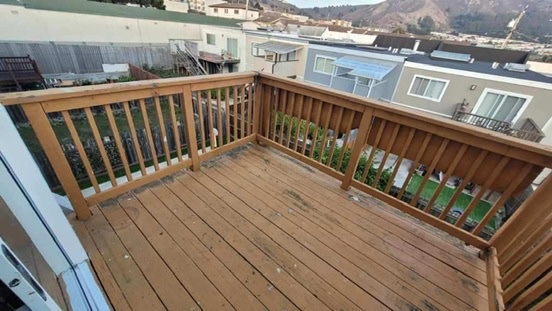
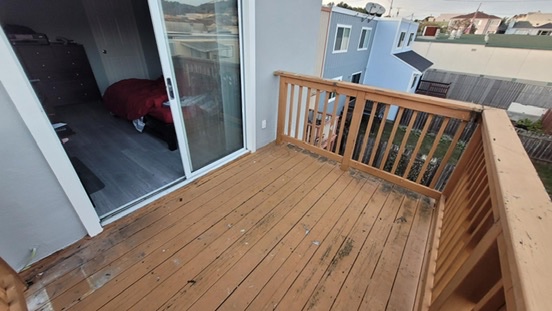
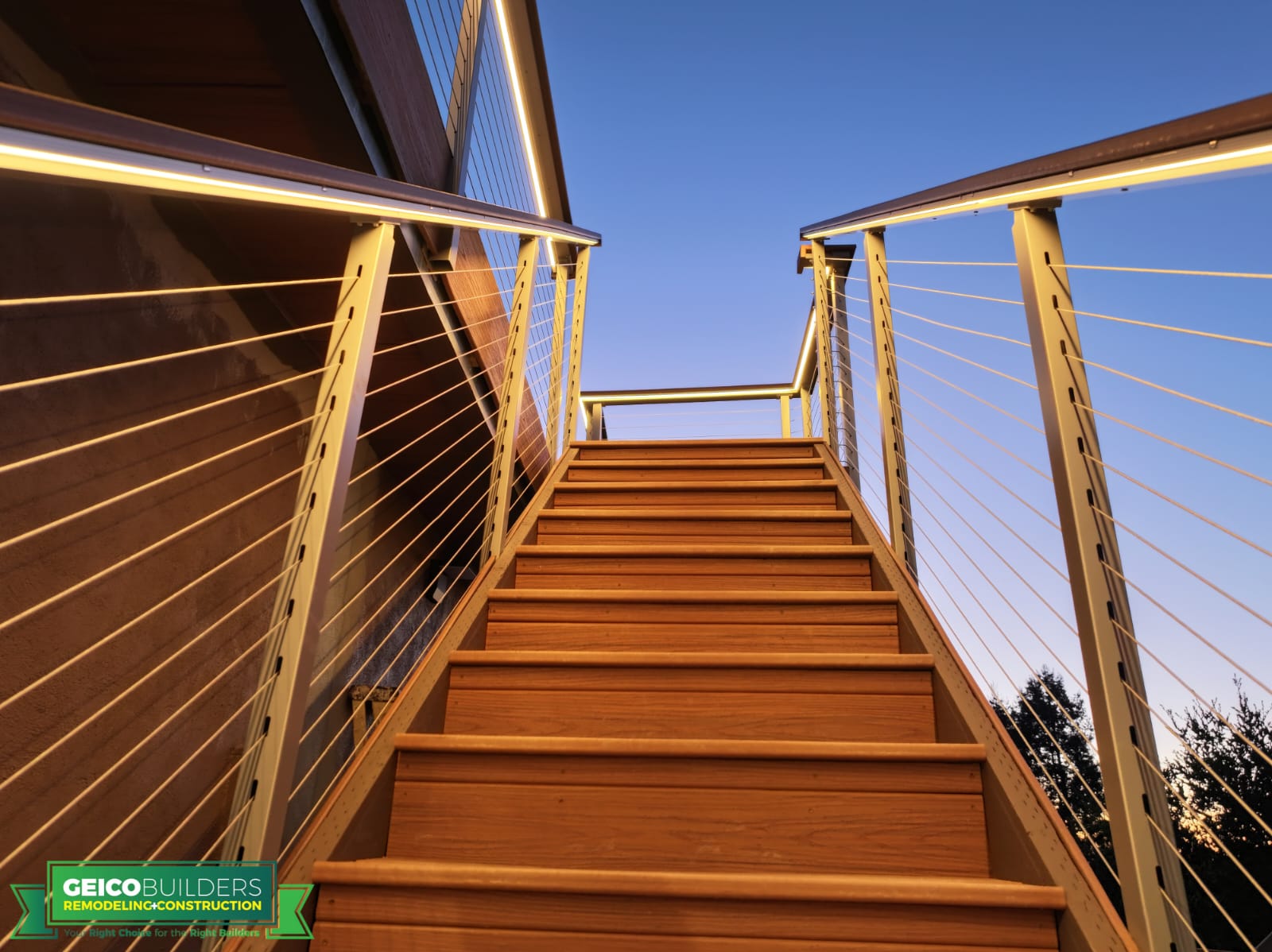
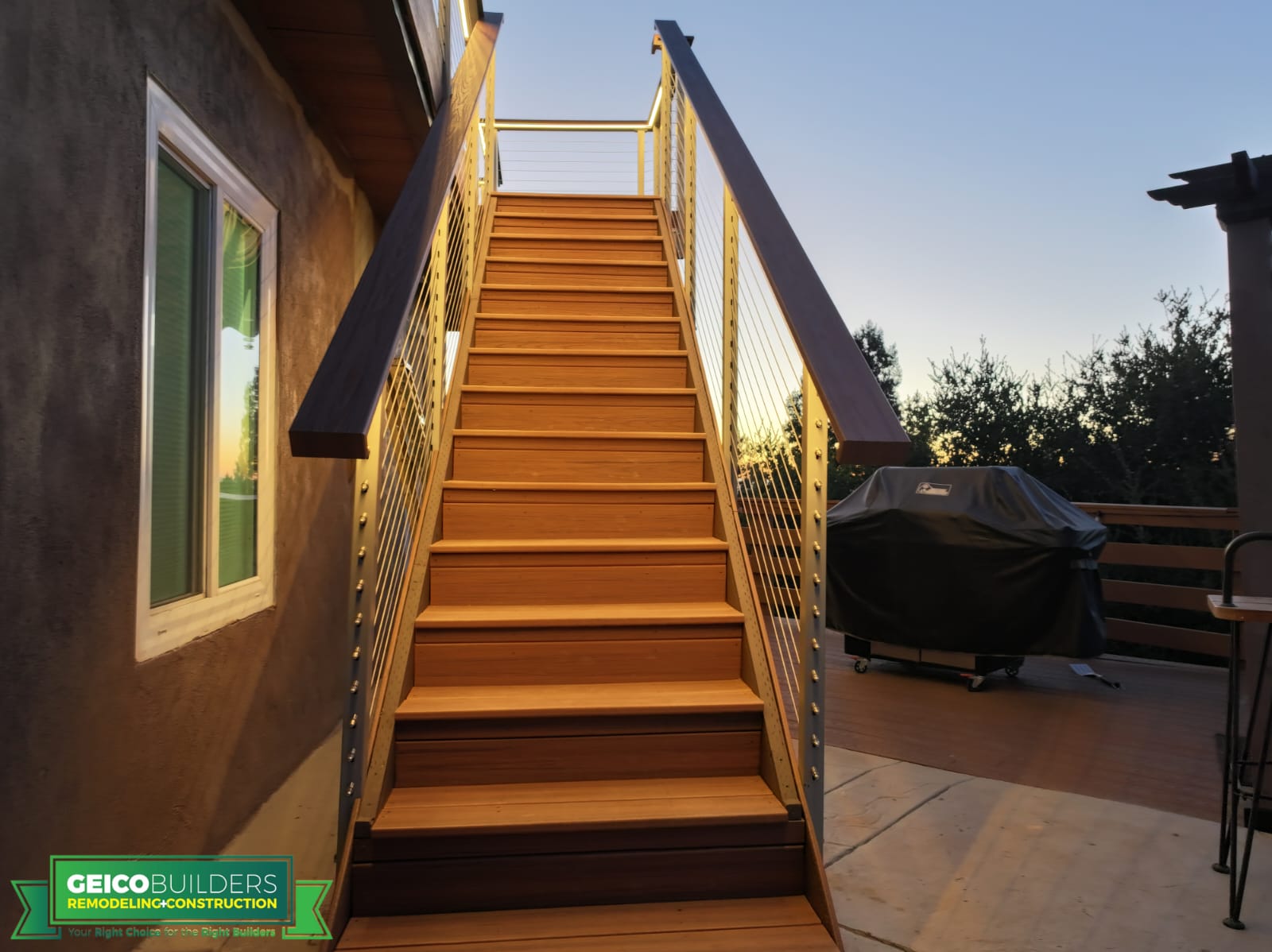
our recent projects







What Our Clients Have To Say
Their positive experiences and glowing testimonials reflect our commitment to delivering exceptional results and outstanding service every time.
Contact Us
Whether you’re adding a new feature or replacing an old one, Geico Builders is your go-to choice for a deck builder in Oakland.
Contact us today to schedule your free consultation!
Phone
Location
1901 Harrison St. Suite 1100 Oakland, CA 94612
License Number
#1103139